HVAC System Upgrades
Installing or improving energy-efficient heating and cooling systems.
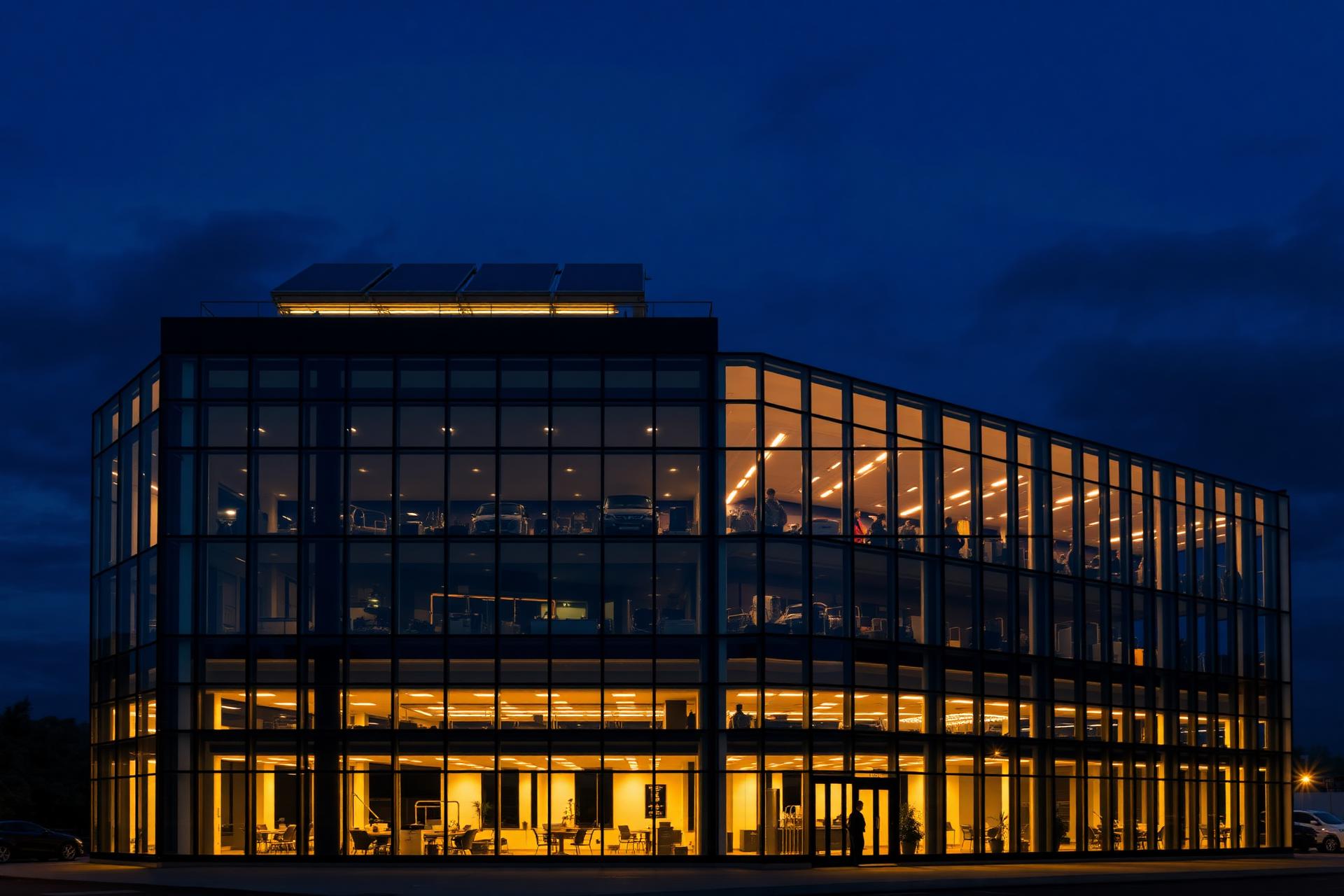
The 179D Energy Efficient Commercial Buildings Deduction rewards qualifying energy-efficient improvements made to commercial buildings. Many building owners, architects, engineers, contractors, and designers are unaware they may qualify for significant tax savings.
Freedom Alliance helps identify opportunities while coordinating with your CPA and qualified engineering specialists throughout the process.
Building owners invest in better lighting, higher-performance HVAC and a tighter envelope every day — often without realizing those improvements may unlock a substantial federal deduction under Section 179D. Freedom Alliance coordinates the engineering certification, energy modeling and documentation required to capture the deduction alongside your CPA.
A federal deduction — often overlooked outside of large development projects — written specifically to reward energy-efficient design and construction in commercial and qualifying tax-exempt buildings.
Section 179D was made permanent by the Consolidated Appropriations Act of 2021 and enhanced under the Inflation Reduction Act — giving owners and designers a lasting incentive to invest in energy-efficient commercial buildings.
The deduction can reach up to $5.65 per square foot for qualifying projects meeting prevailing wage and apprenticeship requirements, with a base deduction still available for projects that don't. On a large facility, that's often a six or seven-figure benefit.
Interior lighting, HVAC and hot water systems, and the building envelope are all eligible categories. Improvements to any combination of these systems can qualify, based on energy performance modeled against an ASHRAE reference standard.
For government-owned, tribal and — under the IRA — tax-exempt buildings, the deduction may be allocated to the primary designer of the energy-efficient systems: the architect, engineer or design-build contractor responsible for the improvements.
Section 179D reaches far beyond building owners. Architects, engineers and design-build contractors responsible for the energy-efficient systems in government, tribal and tax-exempt buildings may also be eligible to receive an allocation of the deduction.
…and many more.
Section 179D rewards a wide range of energy-efficient work — from targeted system upgrades to new construction and major renovations across commercial, government and tax-exempt buildings.
Installing or improving energy-efficient heating and cooling systems.
Replacing lighting systems with qualifying energy-efficient designs.
Improving insulation, roofing, windows, or exterior building systems.
Designing new buildings that exceed required energy efficiency standards.
Upgrading existing commercial buildings with qualifying energy-efficient improvements.
Architects, engineers, and design-build contractors working on qualifying government or nonprofit buildings.
Every 179D study follows the same disciplined path — clear at every step, respectful of your team's time, and coordinated with your CPA from start to finish.
A short, no-cost conversation to understand your building or project and confirm whether a 179D study is worth pursuing.
We gather construction drawings, specifications, equipment cut sheets and — for public projects — the allocation letter framework.
Licensed engineers model the building against the applicable ASHRAE reference standard using IRS-approved software to quantify energy savings.
Qualified square footage and per-foot rates are applied to calculate the final federal deduction, including any prevailing wage bonus.
Deliverables are packaged for your CPA with clean workpapers, schedules and a filing-ready summary of the deduction.
You receive an audit-ready certification package and continued support in the event of IRS or state inquiry.
We coordinate licensed engineers, manage the certification process, and work alongside your CPA so the deduction is captured cleanly and defensibly — with minimal lift on your team.
A no-cost, no-obligation review so you understand the opportunity before committing to anything.
Every engagement is structured to complement — not replace — the tax advisor you already trust.
Certifications are prepared by licensed professional engineers with deep experience in 179D energy modeling.
Every study is delivered with a complete, defensible certification package built to withstand IRS scrutiny.
CPA firms and design partners can offer 179D studies to their clients under their own brand, fully supported behind the scenes.
One accountable point of contact coordinates every party — your team, your CPA and our engineers — from kickoff to delivery.
A few of the questions we hear most often from building owners, architects and CPAs exploring Section 179D for the first time.
The 179D deduction rewards energy-efficient improvements made to commercial buildings. Qualifying projects such as lighting, HVAC, hot water, and building envelope upgrades may generate significant tax deductions for eligible building owners or designers.
Building owners, architects, engineers, designers, and certain contractors may qualify, depending on the project and who owns the deduction. Eligibility depends on the building type, energy savings achieved, and project details.
Not always. While commercial building owners often claim the deduction, architects, engineers, and designers working on qualifying government, nonprofit, tribal, or certain tax-exempt projects may also be eligible through a deduction allocation.
Yes. When designing qualifying energy-efficient buildings for government or other eligible tax-exempt entities, architects, engineers, and other designers may receive the 179D deduction through an allocation from the building owner.
Commercial office buildings, medical facilities, schools, hotels, warehouses, manufacturing facilities, retail centers, and many other commercial properties may qualify if they include energy-efficient improvements that meet IRS requirements.
The value depends on your building's size, energy savings, and whether prevailing wage and apprenticeship requirements are met. Qualifying projects can generate significant tax deductions that reduce your federal tax liability.
We coordinate the required engineering analysis and prepare the technical documentation needed to support your deduction. Our team works directly with your CPA to provide a complete, audit-ready package.
No. We work alongside your existing CPA—not instead of them. Our role is to identify opportunities, coordinate the engineering study, and provide the documentation your CPA needs to claim the deduction accurately.
Complete our complimentary eligibility questionnaire and we'll determine whether your building or project may qualify for valuable Section 179D energy-efficiency deductions.
Takes about 2 minutes — no cost, no obligation.